Franco Guarducci
Franco is a man whom few truly know, as he often shies away and hides from the world’s gaze. As with all artists, it is difficult to fully understand what goes through his mind; yet what frightens many is, instead, his greatest strength.
Franco grew up alongside his grandfather Dino and amidst the laughter of his grandmother Pierina, silently observing their profound love for life and cooking. Both were deeply tied to the Palagio di Panzano: in fact, Dino was born right there, where his family, the Bindis, lived and worked at the time under the sharecropping system (mezzadria). The childhood stories and anecdotes his grandfather shared about that place always sparked Franco’s curiosity and passion. The Palagio di Panzano remained forever in grandfather Dino’s heart and, many years later, destiny led Franco to walk those very same vineyards and step on the clods of earth once trodden by his grandfather. Before dedicating himself to the world of wine, Franco consecrated his life to woodworking and creating unique pieces.
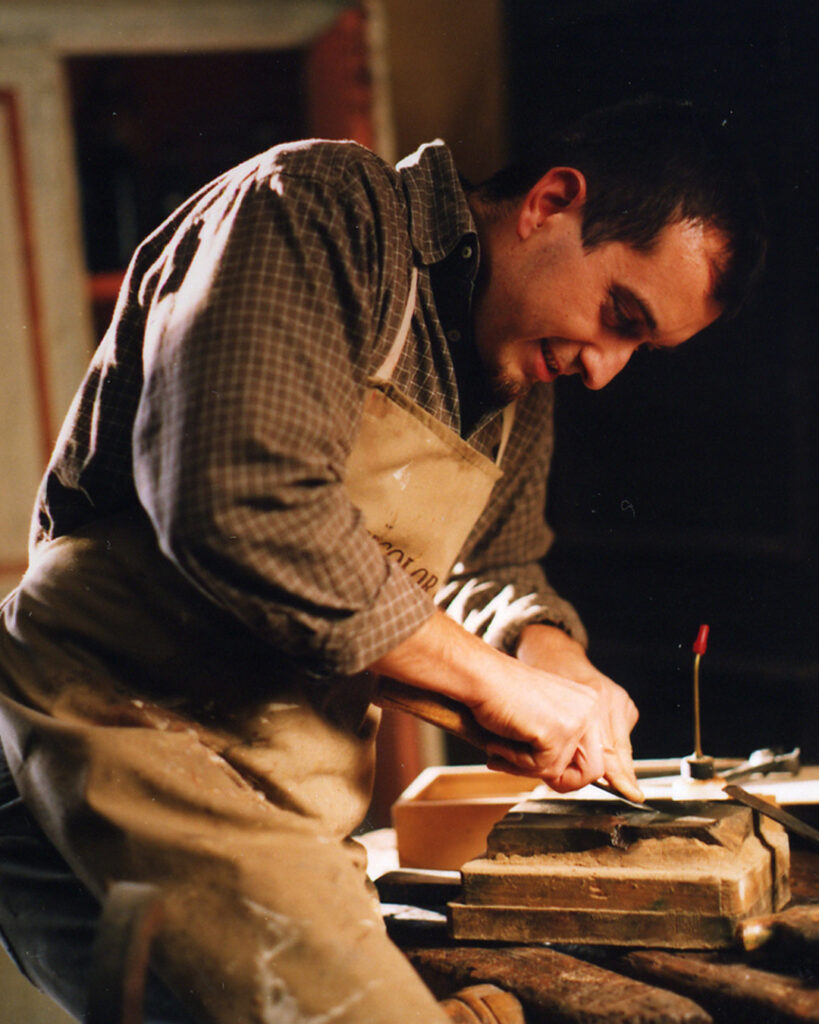
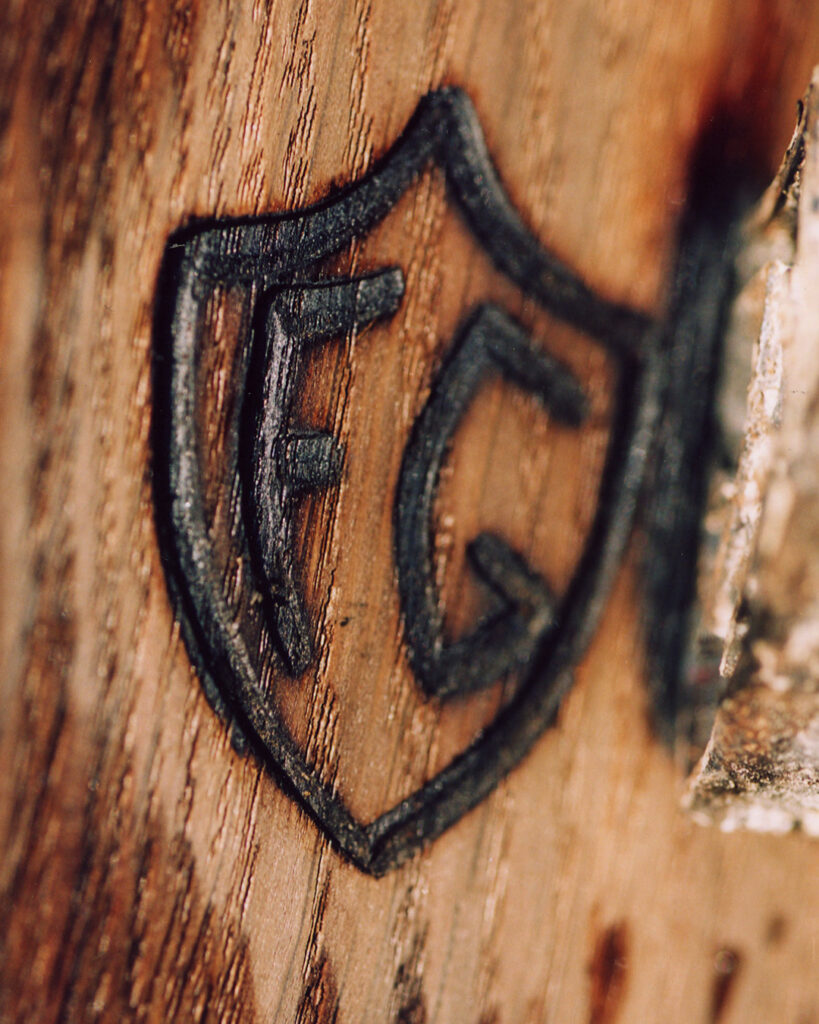
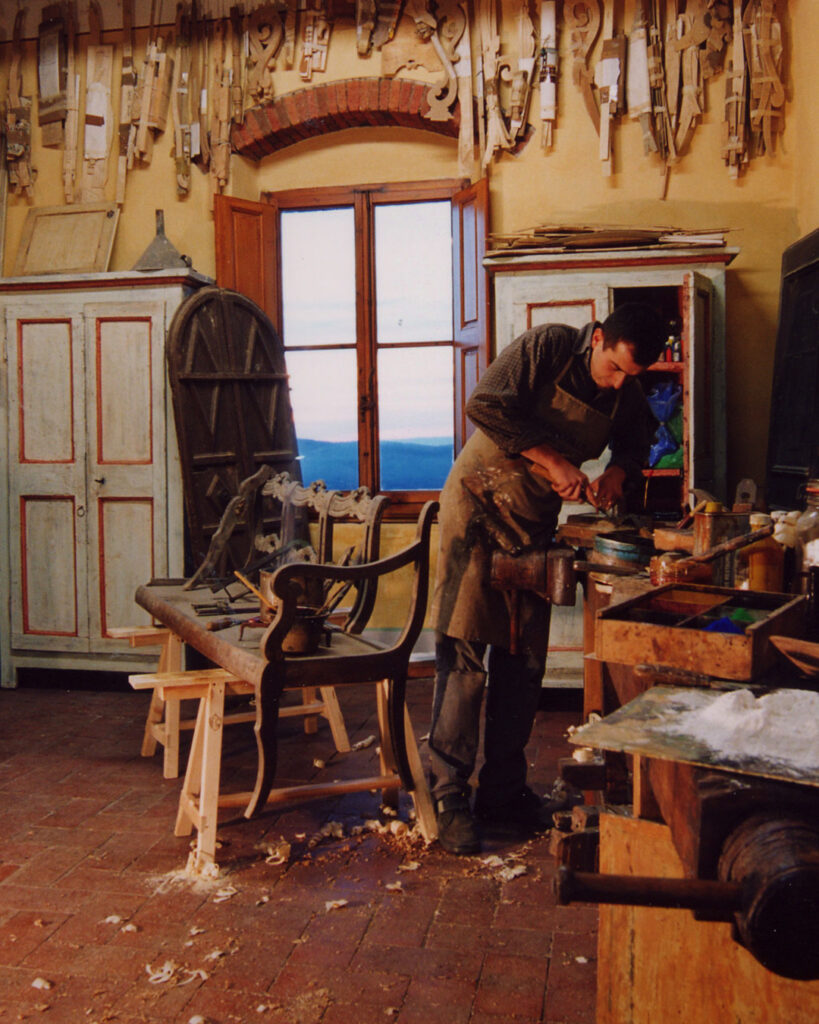
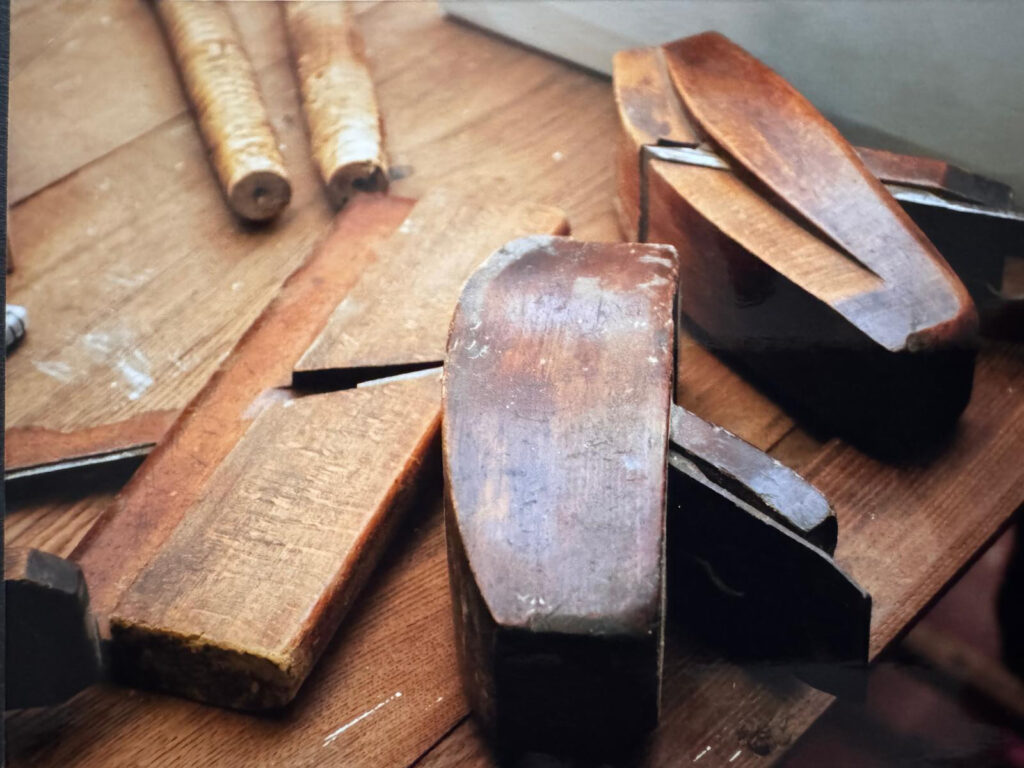
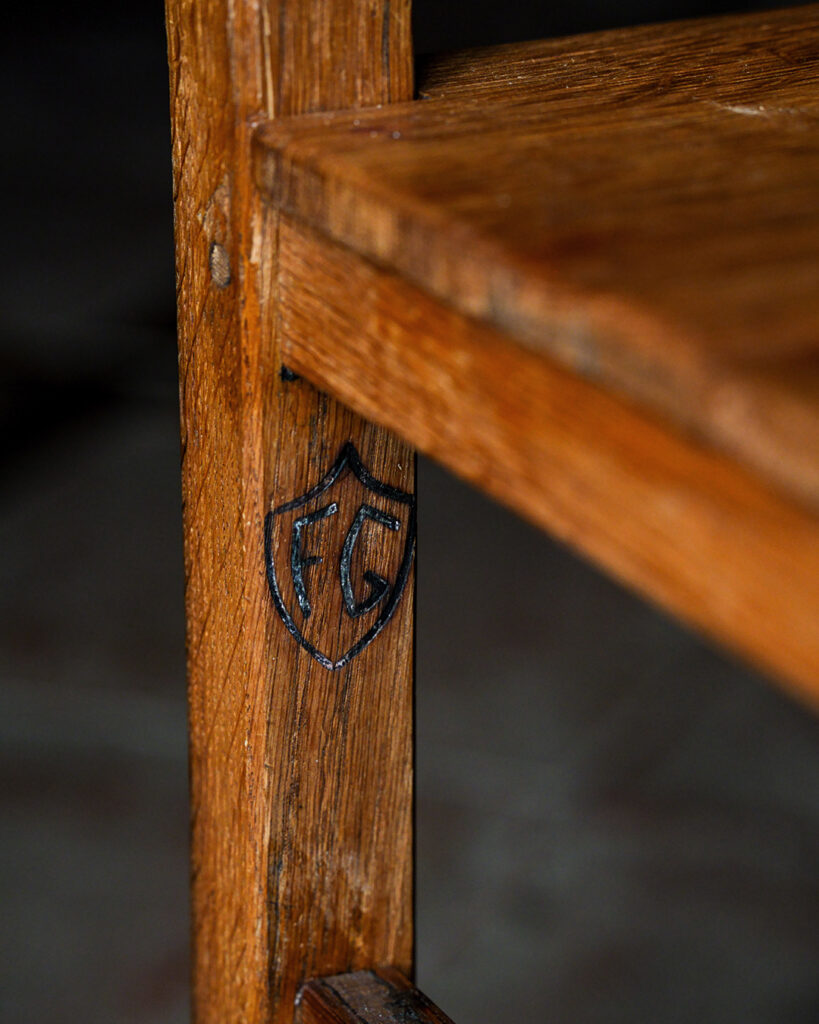
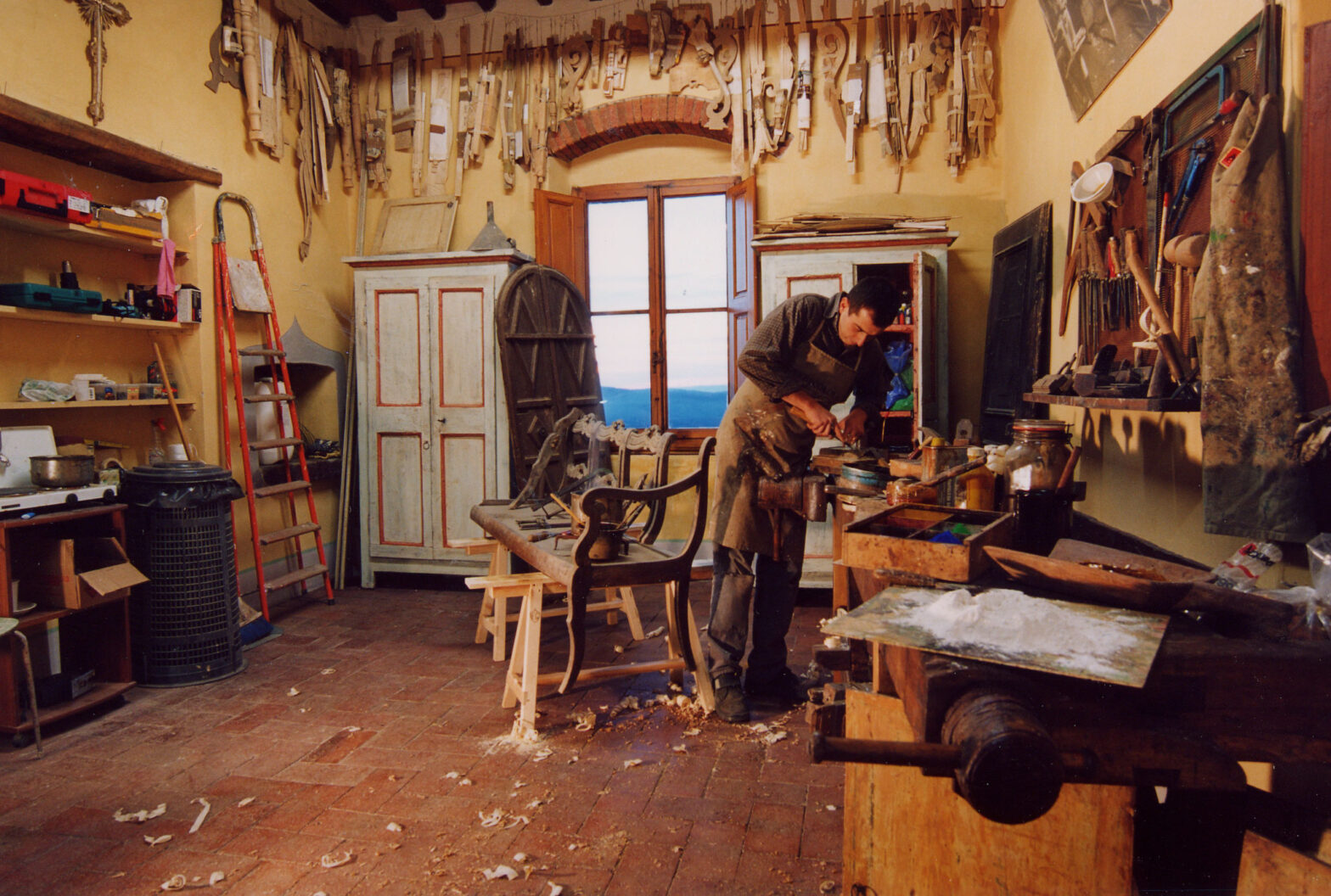
Growing up as an apprentice in a workshop, he embodies the spirit of an era when the Chianti and Florentine lands were populated by artists and master craftsmen. Franco had the privilege of learning a wonderful and noble trade from his father: furniture restoration. These were furnishings capable of telling ancient stories, belonging to noble families, historic palaces, or simple peasant homes; a work built on respect, knowledge, wisdom, and precision.
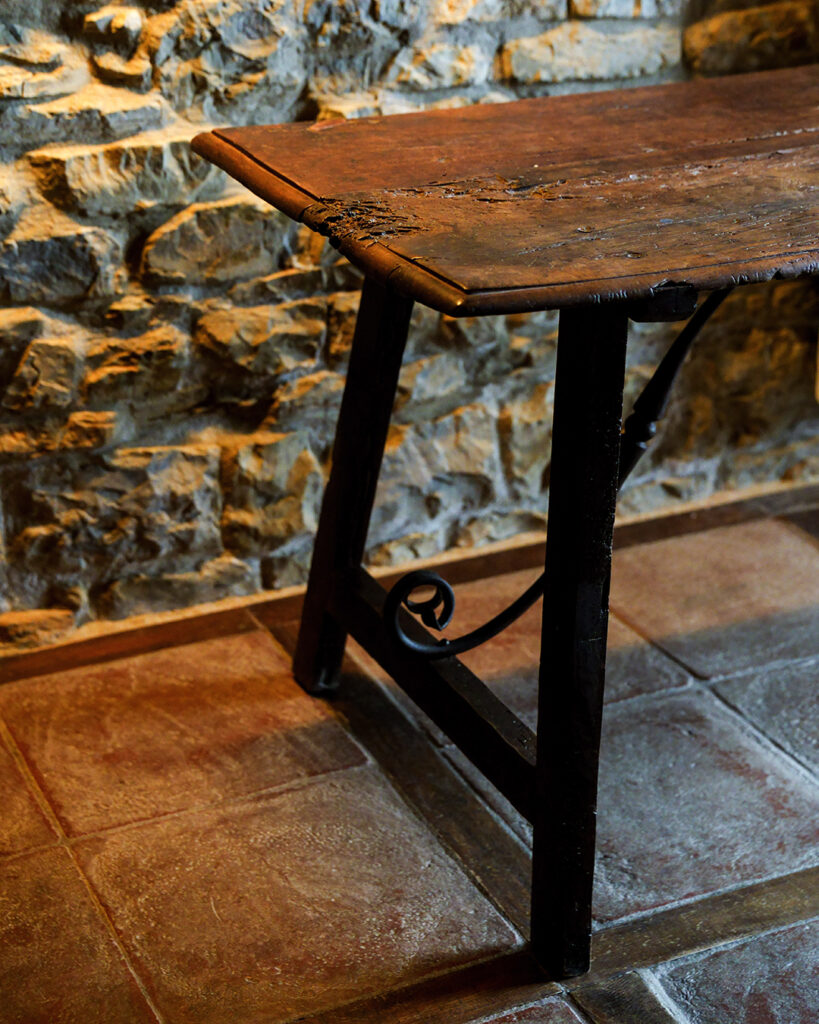
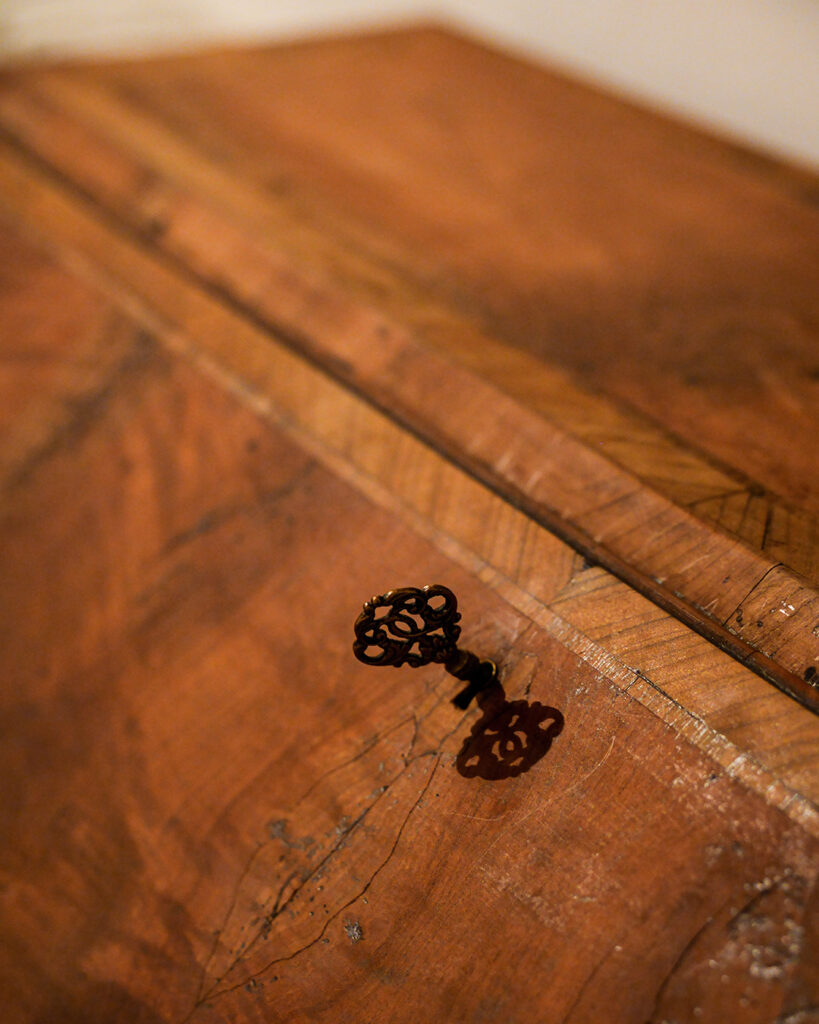
Unfortunately, many Italians were late to realize the importance of enhancing their homes with fine furniture, such as a nineteenth-century chest of drawers or a sixteenth-century fratina table, allowing the mass and standardized market to fill houses with mass-produced, identical furniture. Fortunately, Franco has preserved his skill as a master craftsman and his artistic vein, qualities he applies every day both to winemaking and to the restoration of our villa.
Walking by his side through antique markets is an extraordinary experience: just when you think you have found a valuable piece, he corrects you immediately: “No, this is completely remade, it is not original.” Our hope, Franco’s and mine, is that Italy returns to valuing its artists and ancient trades.
Indeed, safeguarding the territory relies not only on respectful and diverse agriculture, but also on skilled craftsmen capable of recognizing and restoring the authentic value of objects and farmhouses.